

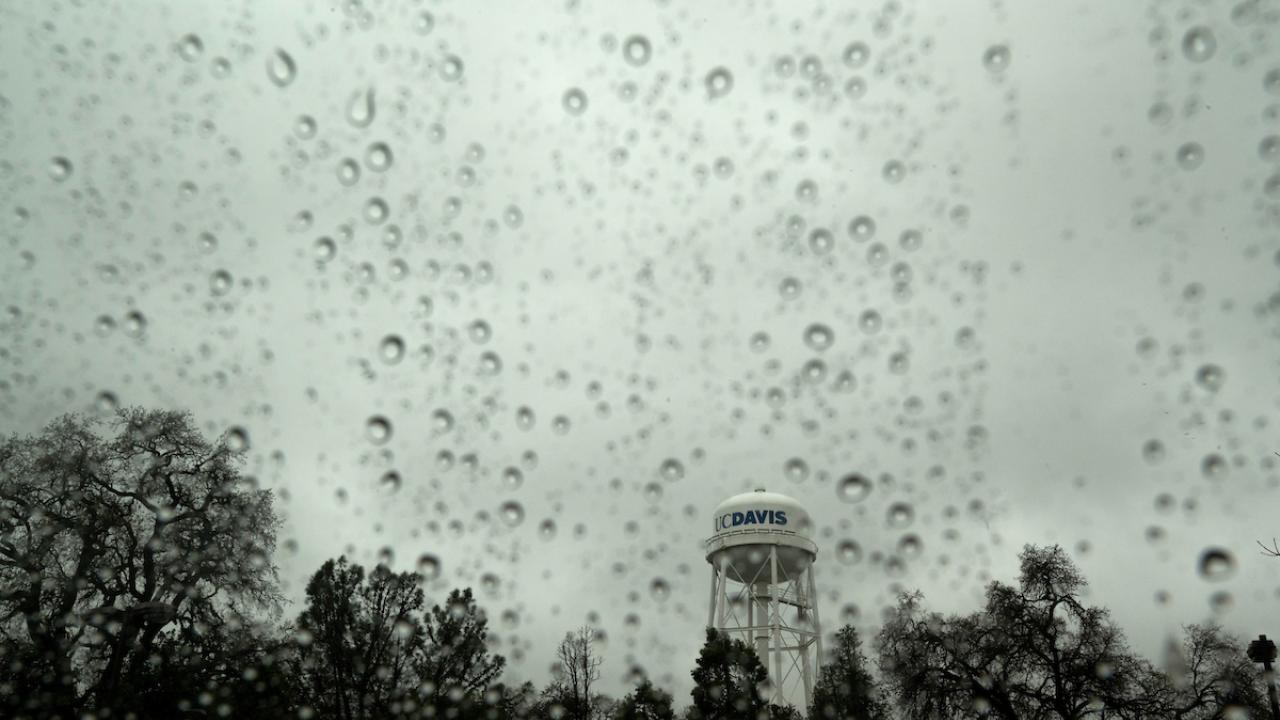
A “super El Niño” is underway this winter. What is El Niño, how might it impact local areas, and how does it relate to atmospheric rivers and climate change? The following UC Davis experts, listed alphabetically under their categories, are available to discuss with reporters these and other related questions.
Flood risk and infrastructure
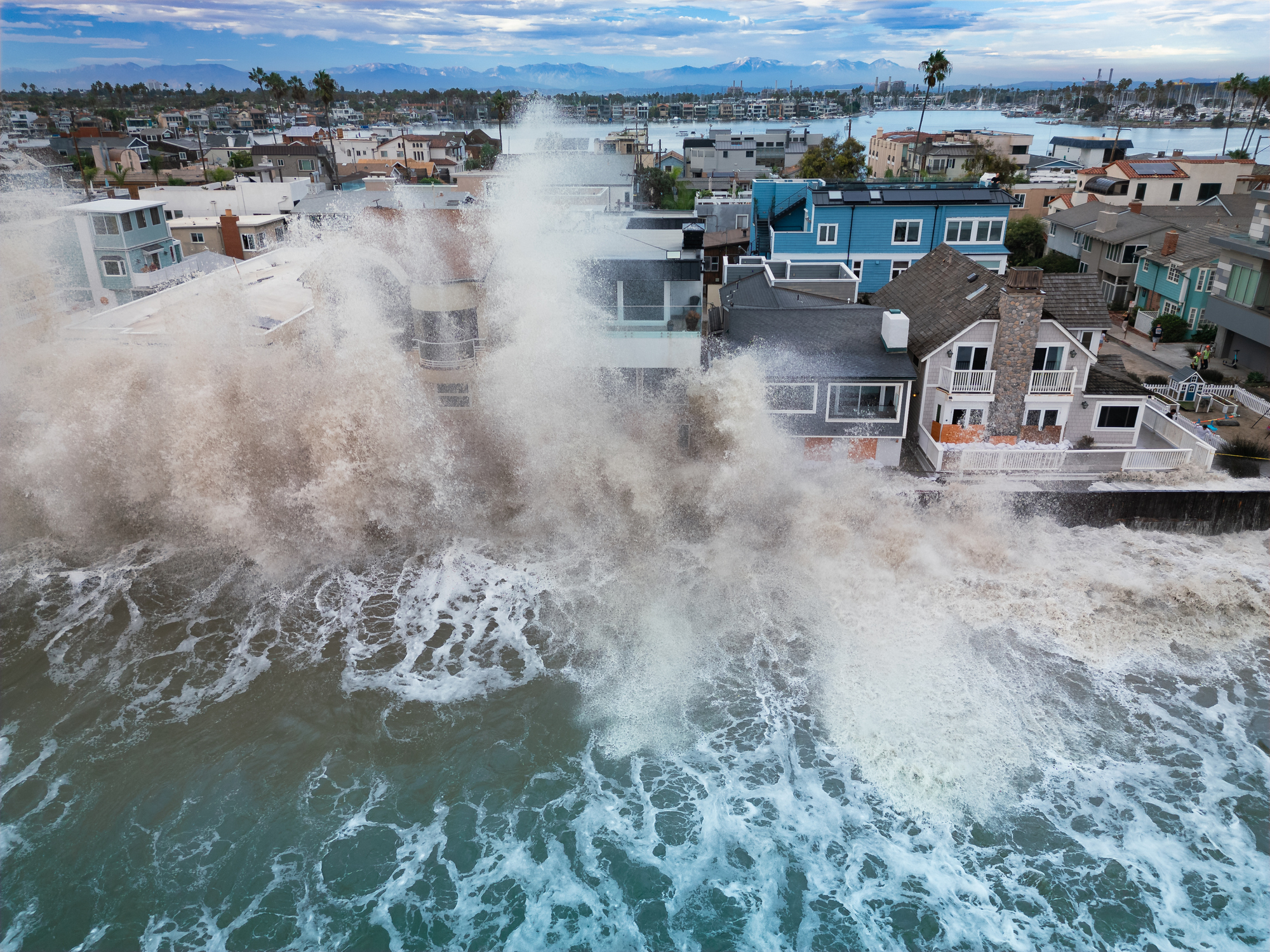
Michael Gardner is an assistant professor of civil and environmental engineering who can discuss the anticipated impacts of coastal flooding from El Niño and other storms, and how scour and erosion threaten dams, levees, bridges and roads in both coastal and riverine settings. He co-led a rapid-response team investigating shoreline damage in Southern California, where they were deployed to document and better understand hurricane damage to eroded beaches. Contact: mhgardner@ucdavis.edu
Nicholas Pinter, a professor in the Department of Earth and Planetary Sciences, is a nationally recognized expert in flooding, and flood risk and management. His research is focused on rivers, floodplains, flood hydrology and watersheds, which he’s applied to help provide a scientific basis for sound natural-hazards public policy at national and local levels. He can discuss how California can better secure its flood-risk future amid political and climate-driven storms. Contact: 530-754-1041, npinter@ucdavis.edu
Fraser Shilling, director of the Road Ecology Center within the Institute of Transportation Studies, can discuss how El Niño, sea level rise and powerful storms may impact California’s highways and coastal flooding risks. He can also discuss real-time monitoring approaches for flooding and resilience/adaptation strategies for coastal infrastructure. Contact: fmshilling@ucdavis.edu
Atmospheric science, weather and climate change
Ian Faloona, a micrometeorologist in the Department of Land, Air and Water Resources, can discuss the physics of our changing climate in California, including the state of El Niño/La Niña currently and how it is developing, and what factors in the climate system are changing most acutely and how that will affect our local climate in California. Contact: icfaloona@ucdavis.edu
Matthew Igel, is an atmospheric scientist who leads the Convective Atmosphere Group at UC Davis. His research focuses on understanding the properties and behavior of clouds and precipitation. He can discuss weather forecasts and weather occurring in California and across the country. Contact: 530-752-6280, migel@ucdavis.edu
Paul Ullrich, a professor in the Department of Land, Air and Water Resources, specializes in regional climate modeling and can comment on climate change’s influence on extreme weather events and atmospheric dynamics. Listen to him discuss El Niños on Capital Public Radio’s Insight in November 2023 (begins minute 18:00). Contact: 530-400-9817, paullrich@ucdavis.edu
Coastal and marine environments
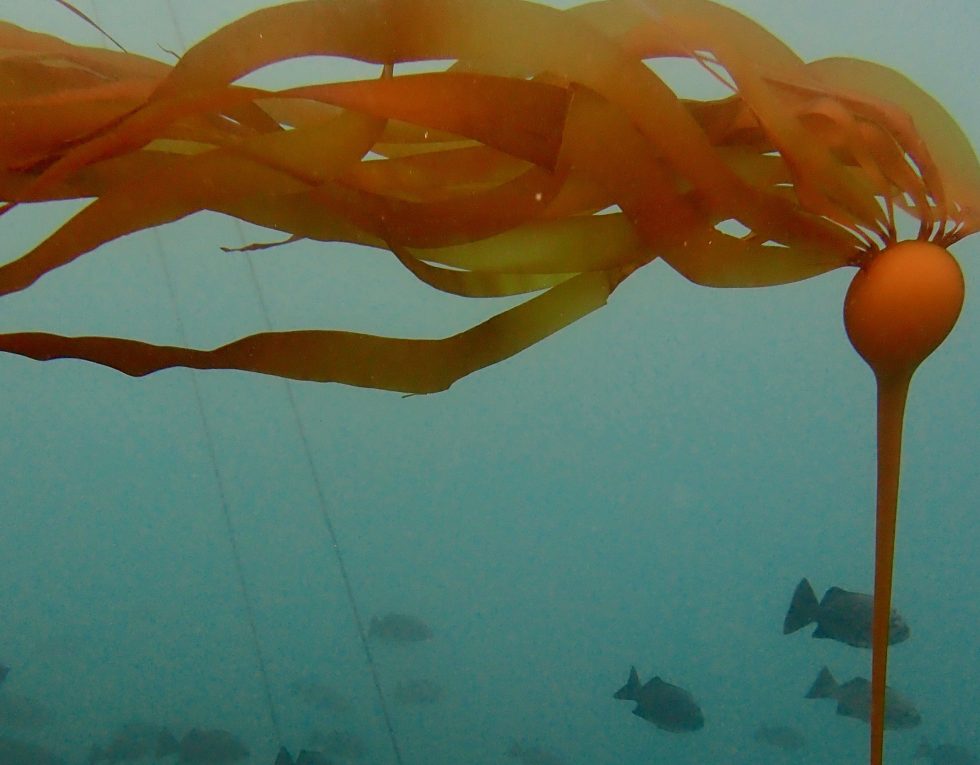
Marissa Baskett is a conservation ecologist and professor in the Department of Environmental Science and Policy. Her research includes studying how kelp forest and coral reef ecosystems respond to El Niño events and how conservation management might support resilience and adaptation to these events. Contact: mlbaskett@ucdavis.edu
Anya Brown and Jay Stachowicz, professors of evolution and ecology at Bodega Marine Laboratory, can describe temperature and disease impacts of El Niño on seagrass beds. Contact: anybrown@ucdavis.edu; jjstachowica@ucdavis.edu
Tessa Hill is a professor of oceanography at Bodega Marine Laboratory and the Department of Earth and Planetary Science. She can discuss how climate change, ocean acidification, and shifting marine conditions like El Niño events impact local California environments and coastal communities, including impacts on seagrass meadows, salt marshes, and oyster farms. Contact: tmhill@ucdavis.edu
John Largier, is a professor of oceanography and an expert in how the runoff of freshwater from the land enters the ocean, impacting estuaries, shorelines and the ocean. His research, centered in California, focuses on Mediterranean climates. Atmospheric rivers are more frequent in El Niño years, resulting in high flows and coastal flooding. The Coastal Oceanography Group at UC Davis has been studying high flows in the Russian River estuary, Tomales Bay and San Francisco Bay. Contact: jlargier@ucdavis.edu
Eric Sanford is a professor of evolution and ecology at Bodega Marine Laboratory. He can discuss the effects of El Niño and warming waters on the shifting distributions of marine species along the coast, especially tidepool animals on rocky shores. Contact: edsanford@ucdavis.edu
Michael Springborn is an environmental and resource economist and professor in the department of Environmental Science and Policy. He is working to model current and future El Niño events in kelp systems. Contact: mspringborn@ucdavis.edu
Maike Sonnewald leads the Computational Climate and Ocean Group at UC Davis in the Department of Computer Science. She can discuss climate modeling related to the ocean, including El Niños, sea level rise, marine protected areas and other areas. Her research blends computational, machine leaning and Earth science tools to improve forecasting and to learn more about the ocean’s role in the climate system. Contact: sonnewald@ucdavis.edu
Media Resources
Kat Kerlin, UC Davis News and Media Relations, 530-750-9195, kekerlin@ucdavis.edu